






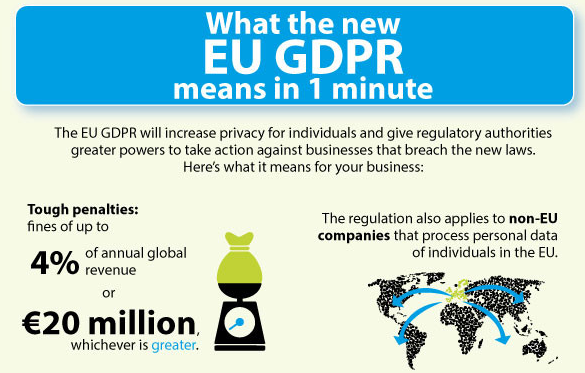
New technology innovations come up every day which affect industries and businesses in various different ways, including the times that companies have to dispose of or recycle the old IT assets due to them being out-dated. The problem is, disposing must be done in an environmentally-friendly way, due to local laws and restrictions, but it becomes more challenging, especially when recycling is not an option and also the fact that data stored within your devices must be protected. There is also the GDPR regulations to consider, which contain implementation requirements that must be observed when doing so. To add to it, there is also the Privacy Act – which states that all consumers have the right know any Personal Information about them that a business has collected, Where it was obtained, the intended use of the information and whether it can be sold or disclosed.
Responsibilities must always be observed and this is why GDPR provides the set of rules and regulations concerning all the aspects around data including how data is collected, processed, secured, managed, retained and deleted. As you can see, the GDPR and many other regulations expose huge challenges to recycling and waste when trying to manage their asset disposition. This is when you need to seek a partner who deals in IT asset disposition (ITAD), onsite data destruction, lifecycle support, and e-waste recycling services as the can benefit you in overcoming these challenges.
Considering issues of security associated with data during IT asset disposition, Ingram has established a unique way of managing IT assets through every stage of the lifecycle by reducing the cost, risk, and all associated complexities. The company serves more than 80 countries globally while also managing asset chain-of-custody for more than a thousand customers and organizations by the provision of sustainable reverse logistics solutions.
Recycling or replacing Technology assets with sensitive data
It is very important to destroy the data on technology assets that have been removed from service. The assets are heavily secured until all the data is removed. Some businesses and companies prefer the data to be destroyed before the assets leave their premises. This is the reason why we provide Onsite Data Destruction Services where we destroy the data when the owner is observing whereby we erase the data, physically shred the media devices or degauss. We can also take the assets to our ITAD facility where the data is destroyed before any course of IT asset disposition on the assets is taken.
After the destruction of data, we securely transport the assets to Ingram Micro Processing Center. We take all the appropriate measures, rules and standard regulations set for IT asset disposition process. We use international recognized erasure methods, protocols, and products and provide an original Certificate of Data Destruction including the serial number of the specific IT asset destroyed or recycled.
How companies can ensure data is handled appropriately during IT asset disposition
Most companies hire Certified companies to carry out IT asset disposition. This company ensures all protocols and requirements are observed. Companies providing IT asset disposition Use International approved erasure products and protocols. They take a step ahead by providing original Certificate of Data Destruction including the serial number of the specific IT asset destroyed, recycled or remarketed.
Effects of new laws and regulations to IT asset deposition.
Any company providing IT asset deposition must comply with set laws and regulations, data erasure must be executed to ensure there is no breach of these laws to make sure you have fully complied with the GDPR. Companies must follow the appropriate procedures, provide formal written documents to the regulators who can confirm that all the data has been erased and also ensure that you have done everything according to the law.
If you look at the California Consumer Privacy Act, it clearly states that a business must have a clear and reasonable security procedure that it must implement when performing IT asset disposition. The Act does not specify how the practices should look like but for those companies offering IT asset disposition and don’t have such a procedure, they should entirely follow the industry best practices which includes adherence to ISO 27001 certifications. This is particularly for those ITAD providers who view personal data as a vital information asset and maintains all processing and activities records.

- Best Payment Hub Solutions for Credit Unions: A 2026 Comparison of Unified Money Movement Platforms - March 5, 2026
- Best Operational Risk Management Software 2026: Identify, Assess & Mitigate Threats - January 23, 2026
- Retail Facilities: Ensuring Backup Power Reliability Through Diesel Generator Fuel Testing - January 3, 2026